Ireland or Scotland: Which Should You Visit in 2026?
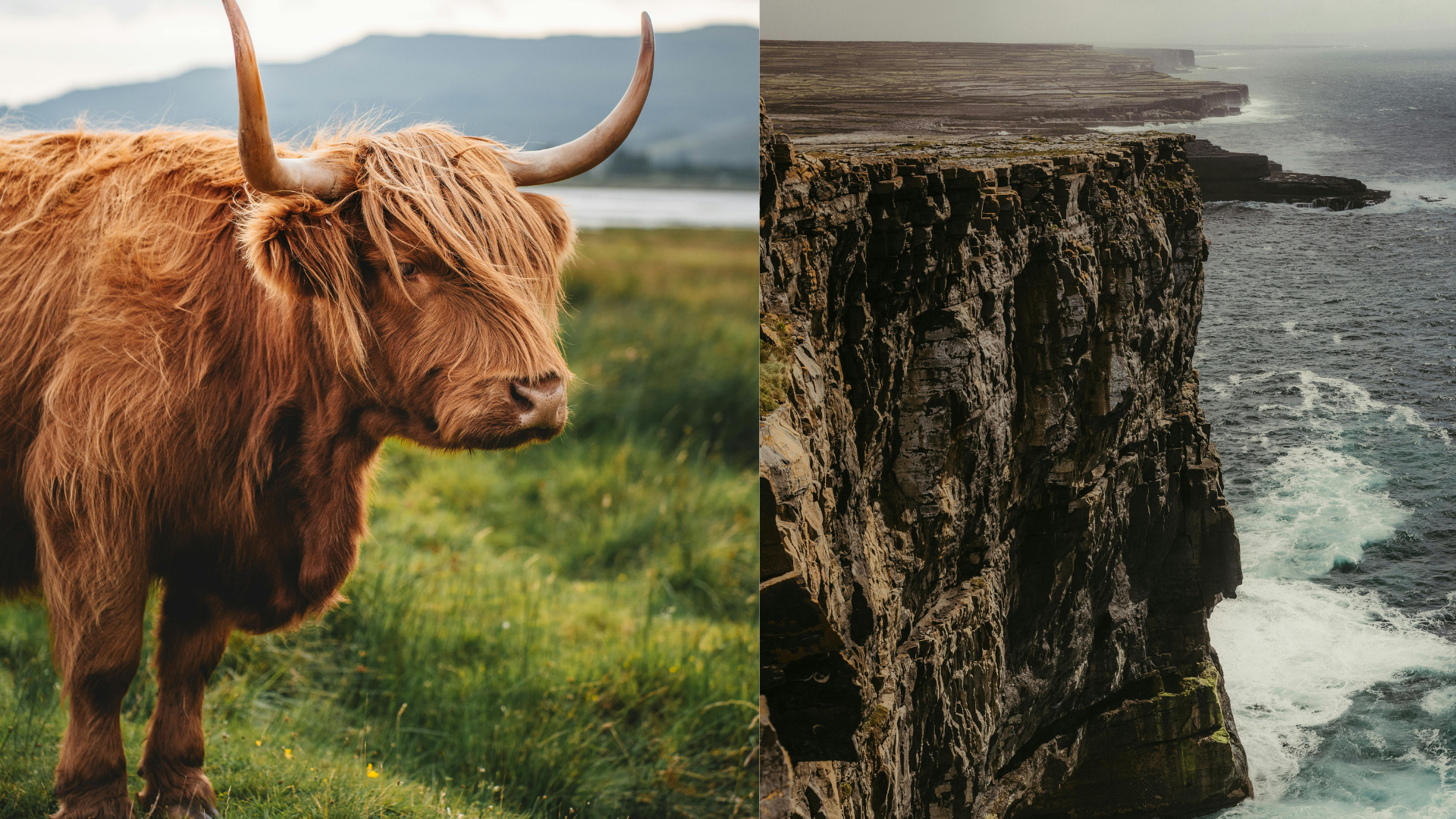
If you’re deciding between Ireland or Scotland, the right choice depends on the kind of landscapes, cities, and travel pace you’re looking for. Both countries offer dramatic scenery, ancient castles, and deep Celtic roots, but they feel very different once you’re on the ground.
Having traveled extensively through Scotland or Ireland, I’ve learned where they overlap and where they diverge. This guide compares them side by side so you can choose the destination that best fits your travel style, time, and priorities.
Quick Guide: Ireland vs Scotland
Choose Ireland
Choose Scotland if you
Ireland
The second-largest island in the British Isles after Great Britain, Ireland, also known as the “Emerald Isle”, sits just off Britain’s west coast across the Irish Sea. It’s a land of rugged coastlines, rolling green hills, ancient ruins, deep academia and literature, and warm hospitality. Though small, Ireland is full of history, heart, craic, friendly locals, and scenery so striking it stays with you long after you leave.
In this guide, I’ll be referring to “Ireland” as a whole, including both the Republic of Ireland, and Northern Ireland, which is currently part of the United Kingdom.
Scotland
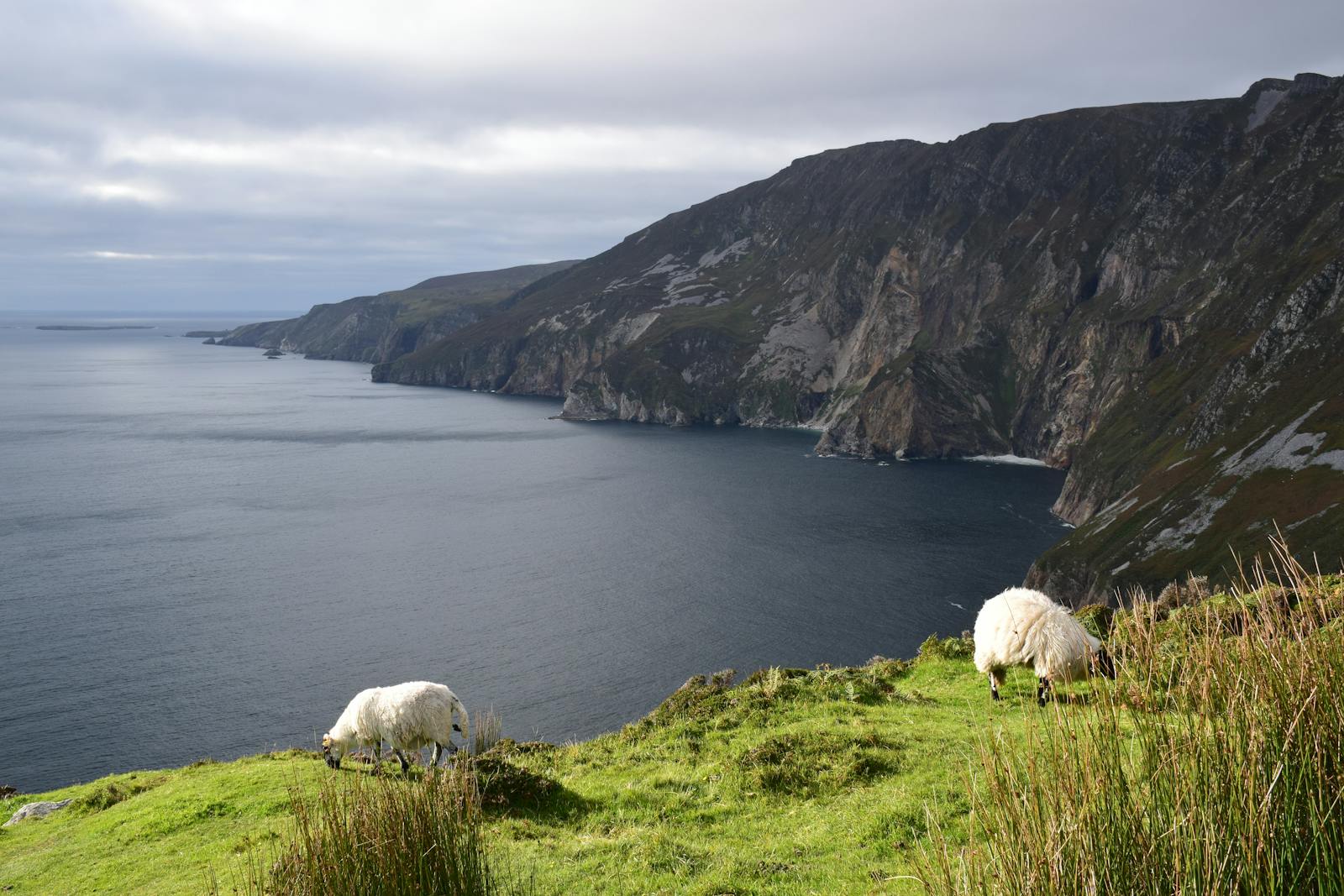
Scotland, at the northern tip of the United Kingdom, is a proud land of striking contrasts in both nature and culture. Its landscapes and cities carry a richness that captivates visitors, from Edinburgh’s elegant blend of historic and modern architecture to the rugged mystique of the Highlands, where echoes of the past linger in every glen. Beyond the mainland, the Hebrides, Orkney, and Shetland islands offer a wilder, more remote kind of beauty, where dramatic coastlines and quiet traditions continue untouched. With traditions that remain deeply rooted and scenery that feels timeless, Scotland’s beauty is as vast as it is unforgettable.
Ireland vs Scotland Prices: Which Is More Budget-Friendly?
First and foremost, prices are likely going to be a factor when it comes to planning your trip and deciding whether to visit Scotland or Ireland. So the question is, is scotland or ireland more expensive to visit?
Overall, Ireland and Scotland are both pretty level when it comes to costs, but there are a few differences that set them apart when it comes to a few different categories.
Accommodation Costs in Ireland vs Scotland
Personally, I found accommodation in Scotland to be much more expensive than in Ireland. In central Edinburgh, in the high tourist seasons, it can be difficult to find a room in a hotel for less than €200 a night. Whereas in Dublin, for the same dates, you can find a decent room for around €150 a night.
If you plan on heading out of the cities to experience the outstanding natural beauty of either country, prices for accommodation are typically around the same range. For example, the average cost of a hotel room in Doolin, where you’d likely base yourself for the Cliffs of Moher is €150 a night, similar to the average costs of a room if you’re basing yourself near Loch Ness in the Scottish Highlands.
With that being said, if you prefer to use Airbnb for your stays, you’ll find costs all over the board for each destination, with more cost-efficient stays if you book a room rather than an entire apartment.
Food Costs in Ireland vs Scotland
While Ireland is often considered more expensive than the UK for food because of import costs, this difference shows up more in grocery prices than in dining out. Eating at mid-range restaurants or grabbing fish and chips is fairly similar in both Ireland and Scotland, with Ireland sometimes even coming in cheaper. For example, on the west coast of the Scottish Highlands, we found that a simple seafood meal costs noticeably more than a comparable seafood dinner by the Flaggy Shore in County Clare.
Bear in mind, in my opinion, the quality of food in Ireland is unmatched, so if you’re renting an Airbnb or accommodation with a kitchen, take advantage of this!
Costs of Things to Do in Ireland vs Scotland
When it comes to activities, Ireland and Scotland are fairly similar in cost. Entry fees for castles, heritage sites, and smaller museums usually range from €5–€15 in Ireland and £5–£15 in Scotland. Outdoor experiences are often free in both countries, whether that’s hiking in the Scottish Highlands or exploring Ireland’s Wild Atlantic Way.
Dublin and Edinburgh both have excellent free museums, but Edinburgh offers more since the UK funds its national museums for free entry. Guided tours and day trips can be slightly pricier in Ireland, especially in popular spots like the Cliffs of Moher, while multi-day tours through the Scottish Highlands can also add up. Overall, budgeting for activities in either country works out to be roughly the same, unless you plan to book a lot of organised tours.
Car Rental Costs in Ireland vs Scotland
Renting a car in Ireland generally costs more than in Scotland, especially around Dublin, where demand pushes prices higher. Insurance is also typically pricier in Ireland, and automatic cars are limited, so booking in advance is essential if you don’t drive a manual. Scotland tends to offer slightly lower daily rates and wider availability, though hiring a car in Edinburgh during peak season can still be expensive. Driving in both countries means staying on the left side of the road, but Ireland’s rural roads are often narrower and more winding compared to Scotland’s generally better-maintained routes.
The Verdict: Is Ireland or Scotland Cheaper to Visit?
While there isn’t a huge difference in overall travel costs between the two, Ireland often comes out slightly cheaper for day-to-day spending. Meals out and some accommodation can be more affordable in Ireland, while car rentals and groceries are typically higher. Scotland has the advantage of free entry to National Museums, especially in Edinburgh and Glasgow, which helps balance city budgets. When comparing the cost of travel in Ireland vs Scotland, the difference is small, but Ireland edges ahead as the cheaper destination overall.
Ireland vs Scotland Food: Which Country Has the Better Cuisine?
This one is a difficult one for me as both countries have a high standard of food quality, rich culinary traditions, and some of the best seafood I’ve had. Both Ireland and Scotland are quite similar when it comes to cuisine, with outstanding seafood and hearty traditional dishes at the core. Edinburgh and Dublin each have amazing food scenes, offering everything from modern fine dining to casual street food.
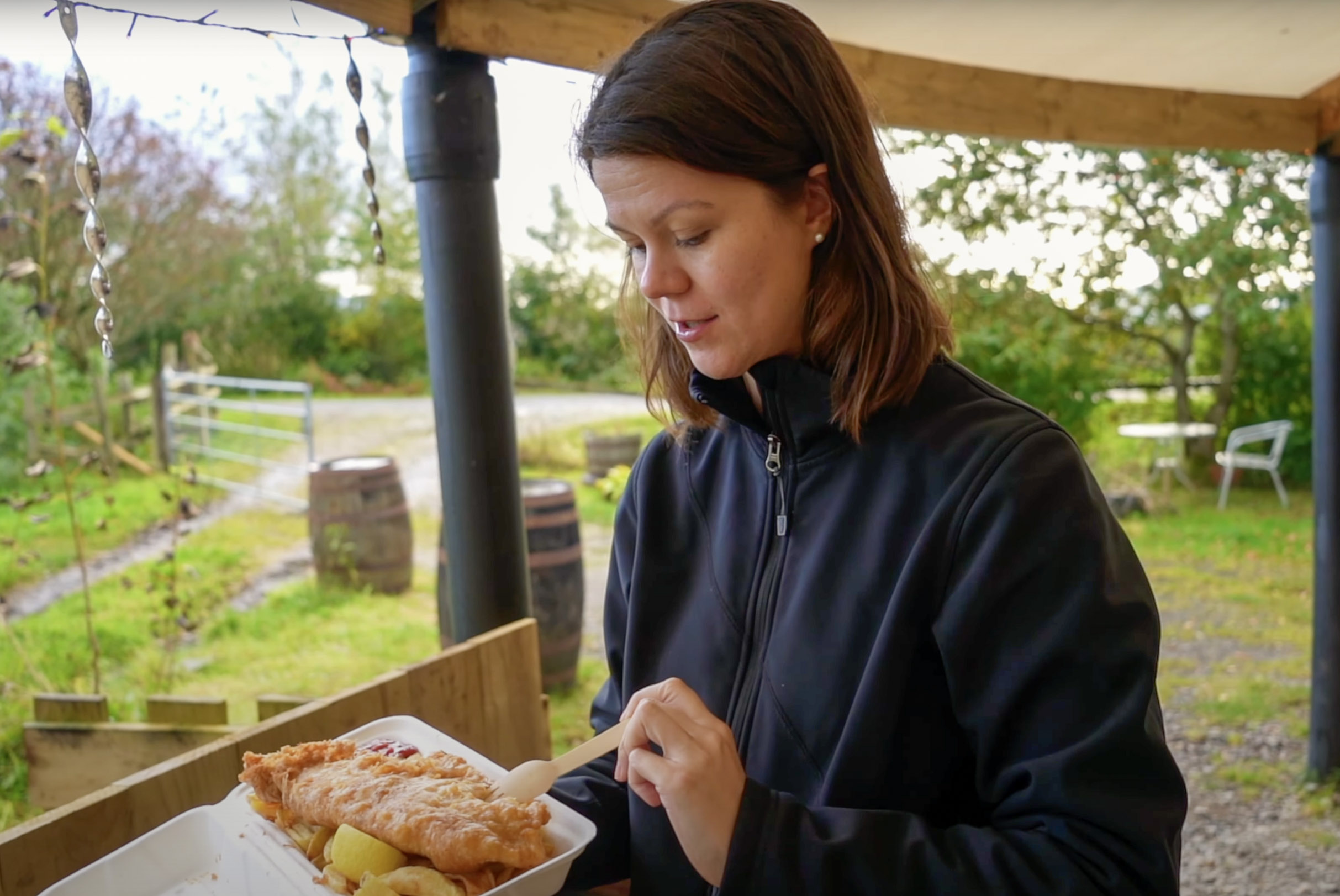

The main difference I noticed is that Ireland has more restaurant options even in rural areas, whereas in Scotland the choice can be more limited once you leave the cities. For that reason, I’d give Ireland the edge here.
Ireland vs Scotland: Culture & Things to Do
When it comes to culture and things to do, both Ireland and Scotland deliver in a big way. Ireland’s strengths lie in its traditional music sessions, Gaelic heritage, and storytelling that still feels alive in pubs and small towns. Scotland brings a strong sense of history through its castles, Highland games, and festivals like the Edinburgh Fringe, which is the largest arts festival in the world. Both countries offer plenty of outdoor activities, from exploring Ireland’s Wild Atlantic Way to hiking Scotland’s rugged Highlands.
If you want a mix of lively culture and deep history, you’ll find it in both places, but the experiences play out differently depending on where you go.


Ireland vs Scotland: Crowds & Atmosphere
High season in both Ireland and Scotland runs from June through August, with early autumn still attracting plenty of travellers, especially around Halloween. The feel of the capitals, though, is very different: Dublin is denser, with double the population squeezed into half the size of Edinburgh, making it more crowded overall. Edinburgh, by contrast, only sees real congestion in the Old Town, particularly during festival season.
Outside the main attractions like the Cliffs of Moher or Loch Ness, both countries open up into wide, rural spaces where you can still find solitude and a stronger connection to local culture and nature.


Ireland vs Scotland: Nature & Landscapes
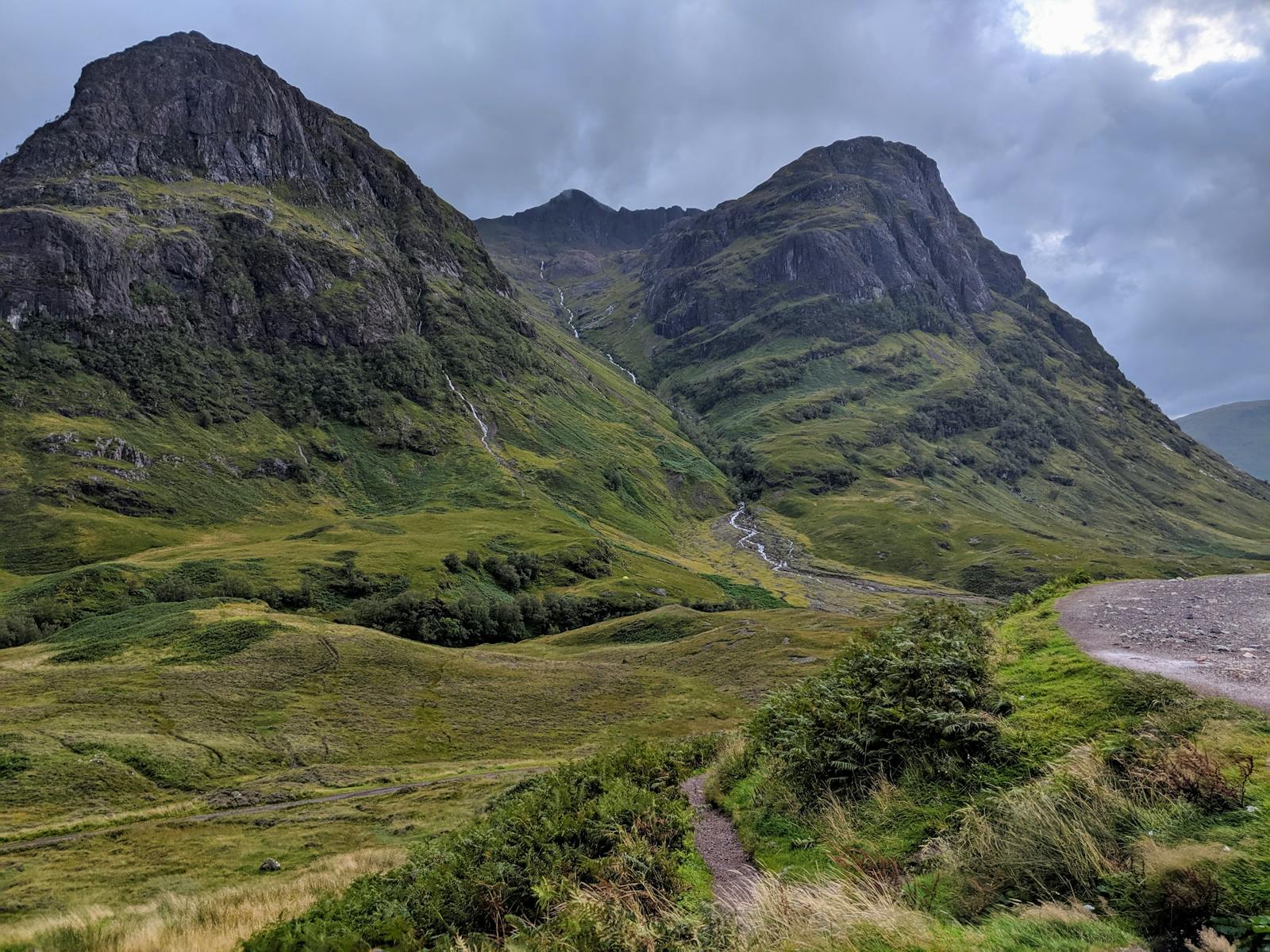
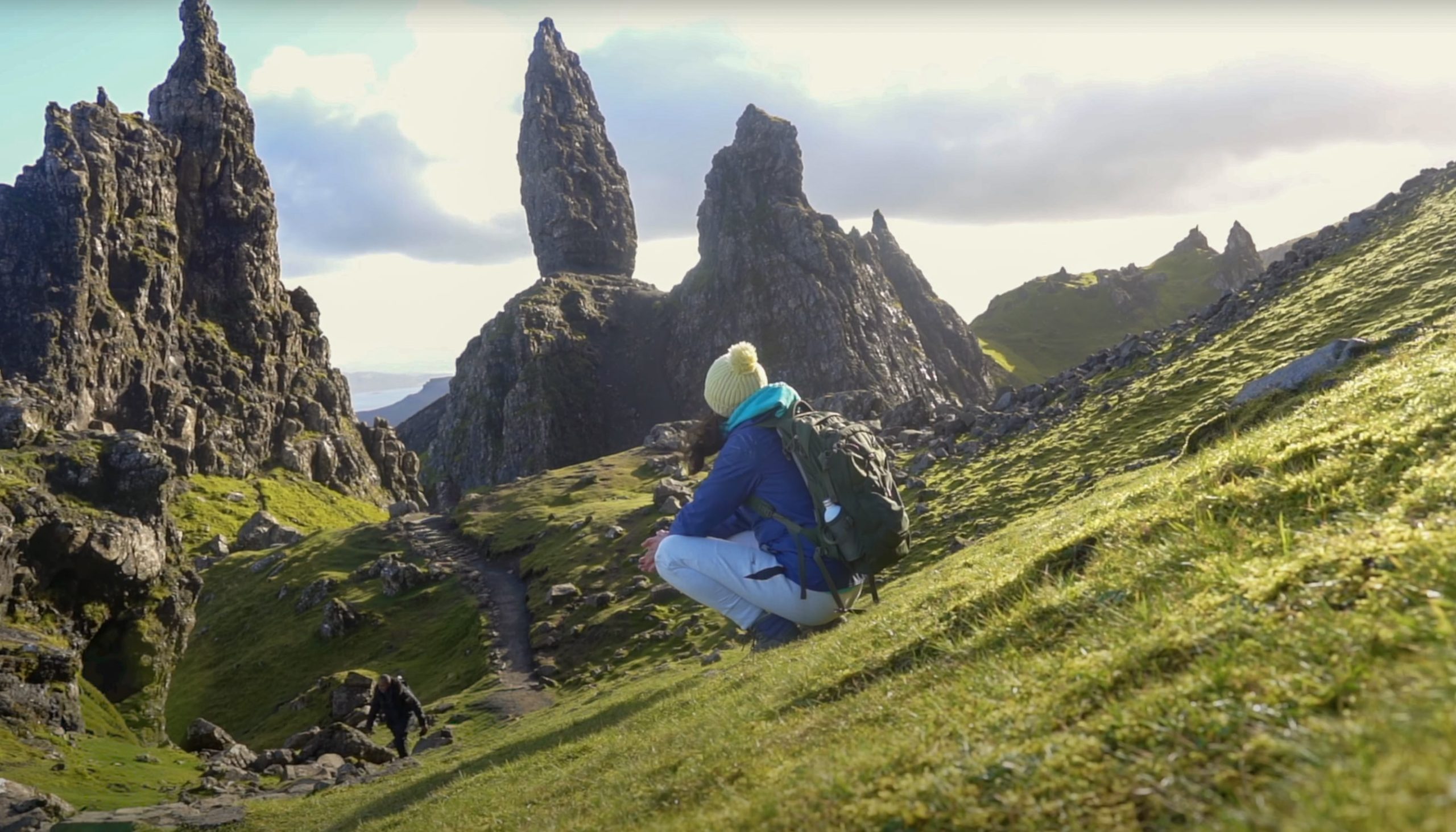
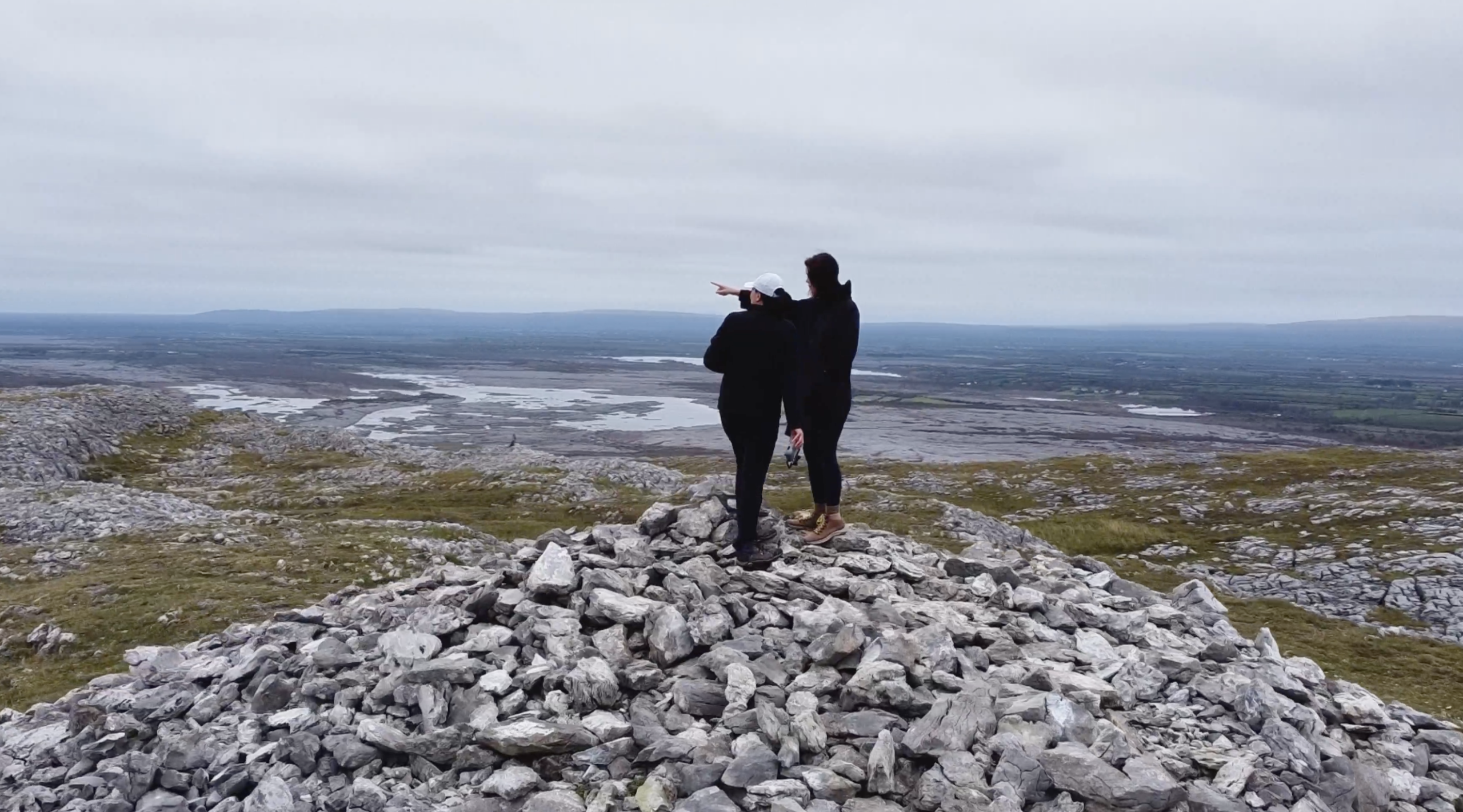
Both countries shine when it comes to natural beauty, but in different ways. Ireland is known for its rolling green hills, sheer Atlantic cliffs, and the otherworldly limestone of The Burren. Scotland, by contrast, carries a wilder, moodier edge, with mist-shrouded lochs, dense forests, and dramatic mountain ranges.
That said, Ireland isn’t all soft greenery. Contrary to the usual image, it has its own rugged peaks and epic landscapes that can rival Scotland’s, such as Carrauntoohil, Ireland’s highest peak at 1,038m, Wicklow Mountains, and Slieve League Cliffs in County Donegal.
Hiking in Ireland vs Scotland
While both countries pack in plenty of options for getting out, getting in nature, and getting in some good exercise in such impressive surroundings, there are different appeals for Ireland or Scotland when it comes to types and intensity for outdoor activities.
Hiking in Ireland
With a few exceptions noted above, hiking in Ireland is usually more moderate and accessible. The terrain is defined by gentler slopes, lush rolling hills, dramatic cliffsides, and a mild, consistent climate that makes walking conditions easier year-round. Trails are generally well-marked and straightforward to follow, making them beginner-friendly. The trade-off, however, is that access is mostly restricted to designated routes, so you’re less likely to find the kind of wild, off-trail trekking that Scotland offers.
If you’re deciding between Ireland and Scotland for hiking or an adventure trip, and you’d prefer a gentler, more beginner-friendly environment, Ireland is the better choice.
If you’re dreaming of long coastal walks where emerald-green paths meet the wild Atlantic, with dramatic cliffs dropping straight into the sea, Ireland is for you.

Hiking in Scotland
Hiking in Scotland is undoubtedly for anyone looking for adventure, as the country is home to rugged, higher mountains, wild scenery, and deep glens. While there are still plenty of options for hikers of all levels, Scotland is especially appealing to those who want challenging ascents, dramatic ridgelines, and multi-day treks like the West Highland Way. Even shorter hikes often reward you with sweeping views over lochs, valleys, and jagged peaks, making it a destination where every trail feels epic.
On the other hand, the weather in Scotland can be far more unpredictable and at times dangerous, with sudden changes bringing wind, rain, or fog, even in summer. One major advantage for hikers is the UK’s Right to Roam, which allows access across most open land. This means you are free to explore mountains, moors, and wild landscapes with much greater flexibility than in Ireland.
If you’re deciding between Ireland and Scotland and you prefer more wild and challenging scenery, definitely head to Scotland.
Another reason to choose Scotland over Ireland is the sheer variety of long-distance trails, from dramatic highland routes to rugged coastal paths. These multi-day treks offer a sense of remoteness and wilderness that is hard to match elsewhere in the UK.

Ireland vs Scotland: Weather & When to Visit
Both Ireland and Scotland share a temperate maritime climate, which means mild temperatures year-round but plenty of rain. Summer (June to August) is the most popular time to visit, with long daylight hours and festivals in full swing, though this also brings the largest crowds and higher prices. In Ireland, the weather tends to be a bit more consistent and slightly warmer, especially on the West Coast. Scotland, on the other hand, is known for more unpredictable conditions, where you might experience sunshine, rain, and fog all in the same day.
Spring (April to May) and early autumn (September to October) are excellent times to travel to either country, with fewer crowds, lower costs, and generally pleasant weather. Winter brings short days and cold, wet conditions, but it can also be a rewarding time for those seeking quieter cities and festive atmospheres.
For outdoor activities like hiking and exploring nature, Ireland’s milder and steadier climate often makes for easier conditions, while Scotland’s variable weather can add both challenge and drama to the experience.
Ireland vs Scotland: Accommodation Options
Ireland and Scotland both offer a wide range of places to stay, from budget-friendly to high-end. The overall feel depends on where you go and what kind of trip you’re after.
In Ireland, you’ll find well-kept bed and breakfasts, cosy guesthouses, and the occasional luxury castle hotel. Cities like Dublin and Galway have a mix of hotels, hostels, and short-term rentals. Castle stays are also a popular option if you’re looking for something memorable and unique. Prices tend to rise in popular areas and during peak travel seasons.
In Scotland, the style is often more laid-back and remote, especially in the Highlands and on the islands. You’ll come across stone cottages, lochside cabins, traditional inns, and a strong network of hostels for hikers. Edinburgh offers a good selection of boutique hotels and character-filled guesthouses.
In terms of cost, rural stays in both countries are generally similar. Prices vary based on location and season. In the cities, Dublin is usually more expensive than Edinburgh, particularly for hotels and short-term stays.
Choose Ireland if you want castle stays, warm hospitality, and a more polished experience.
Choose Scotland if you’re after remote escapes, cosy lodges, and dramatic landscapes.

Ireland vs Scotland: Accessibility
Getting around both Ireland and Scotland is fairly straightforward, but each comes with its own quirks and trade-offs.
In Ireland, public transport is solid in major cities like Dublin, Cork, and Galway. Buses and trains connect most of the bigger towns, but service can be limited in rural areas. Renting a car is often the best option if you want to explore the countryside, especially the West Coast and smaller villages. Roads can be narrow and winding, but the scenery makes it worth it.
In Scotland, the transport network reaches farther into remote areas. Trains and buses connect most cities and towns, and services like Citylink and ScotRail cover a lot of ground. For the Highlands and islands, driving gives you the most freedom, but there are also ferry services and well-marked long-distance hiking routes. Roads tend to be better maintained, even in more remote areas.
For international arrivals, both countries are easy to reach. Dublin has the busiest airport in Ireland, with lots of direct flights from North America and Europe. In Scotland, Edinburgh and Glasgow airports handle most international traffic, though fewer direct routes are available compared to Dublin.
Ireland is simple to navigate if you stick to the main cities, but a car is almost essential for rural travel.
Scotland has stronger public transport coverage in remote areas and more options for exploring without driving.
Ireland vs Scotland: Cities Beyond the Capitals
Dublin and Edinburgh get most of the spotlight, but there’s plenty happening outside the capitals in both countries.
In Ireland, cities like Galway, Cork, and Limerick offer a mix of local culture, music, and food without the crowds of Dublin. Galway has a creative, Bohemian feel, with street performers and colourful pubs lining its narrow lanes. Cork leans more laid-back, with a strong food scene and easy access to the coast. Limerick, often overlooked, has a growing arts presence and a more urban edge.
In Scotland, Glasgow stands out as a cultural powerhouse — bold, gritty, and packed with live music, street art, and a deep sense of identity. Aberdeen has a more reserved, granite-toned charm with its North Sea energy and oil-fueled economy. Inverness, the gateway to the Highlands, offers a quieter pace and is a great jumping-off point for outdoor adventures.
The difference comes down to vibe.
Ireland’s regional cities tend to feel smaller, more intimate, and heavy on charm. Scotland’s urban centres beyond Edinburgh feel bigger, bolder, and a bit more varied in personality.

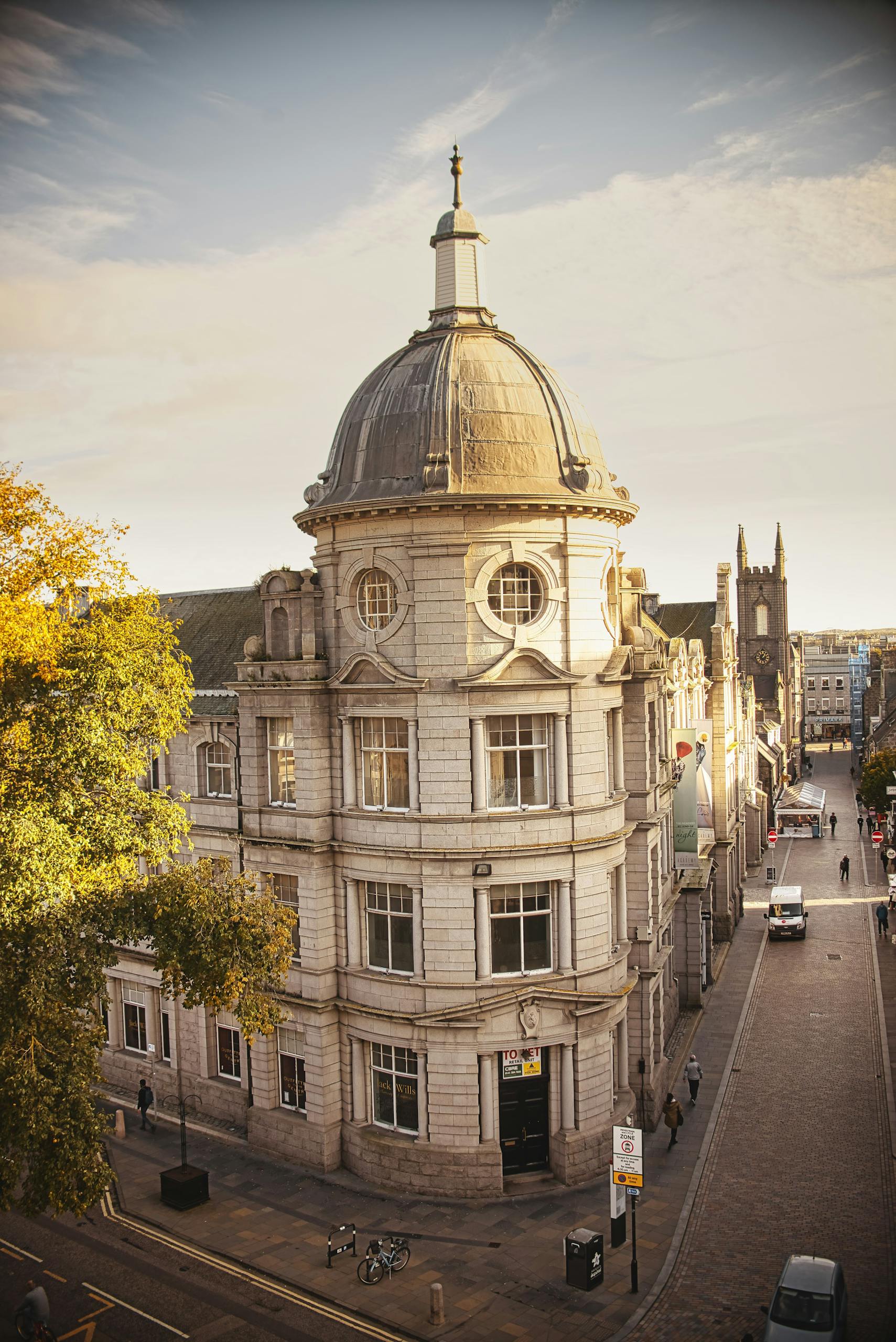
Dublin or Edinburgh
Dublin and Edinburgh are both vibrant, historic capitals with rich culture and plenty to offer, but they deliver very different experiences. Knowing the differences can help you decide which city suits your travel style best.
Edinburgh feels like a living postcard. With its cobbled streets, medieval closes, and hilltop castle, it leans hard into classic, old-world charm. The city offers more in the way of museums, historic sites, and cultural institutions compared to Dublin. It’s also greener, with easy access to parks, hills, and hiking spots like Arthur’s Seat right in the city. If you’re drawn to dramatic architecture, history at every turn, and a slightly more polished atmosphere, Edinburgh delivers.
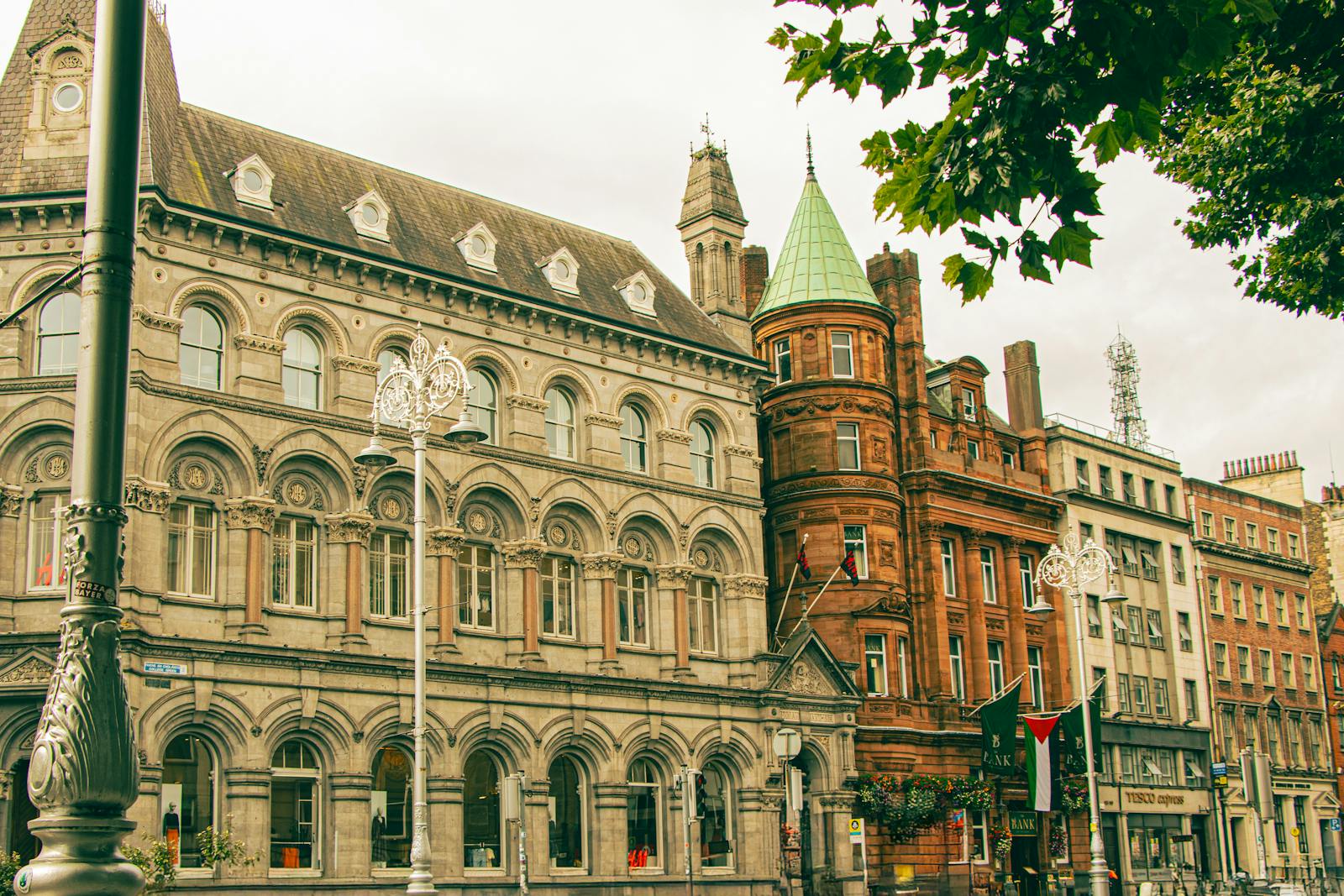
Dublin, on the other hand, has a more lived-in, energetic feel. It’s a working city with deep literary roots, lively pubs, and a famously friendly vibe. While it may not match Edinburgh in terms of museum count or grand historic sites, it shines in street-level culture — live music, local characters, and a social scene that buzzes well into the night. Dublin feels young, irreverent, and full of personality.

Verdict: Which is Right for You?
So, with all of that being said, which British Isle is better for your trip?
Choose Ireland
Choose Scotland if you
Have questions about planning your trip? Drop them in the comments, I’m happy to help.