The Ultimate Guide to Visiting Athens (Written by a Local!)

This article includes affiliate links. If you choose to book through them, you’re directly supporting the free content we create, and we’re so grateful for your support.
Athens is one of the most fascinating and contradictory cities I have ever visited and lived in. Yes, it is ancient. Yes, it is the birthplace of democracy. But if you come expecting an open-air museum, you are missing most of the story.
The city stretches across more than 1,000 square miles and includes 129 neighborhoods, each with its own rhythm and personality. Most visitors stay focused on the Acropolis and the big archaeological sites, but modern Athens is just as defined by late-night dinners, neighborhood bakeries, street art, and a creative scene that feels constantly in motion.
I moved here in 2021 and have lived in Athens for over five years. In that time, I have learned what is genuinely worth your time, what tends to be overhyped, and how differently the city feels once you step outside the most photographed streets.
Here is what to do in Athens, how to plan your time properly, where to stay, and the small details that change your experience completely, whether you are visiting for a long weekend or staying longer.
How Many Days in Athens
How many days in Athens you need depends on how you want to experience the city. While it’s often treated as a quick stop before heading to the islands, Athens works best when you give it a little breathing room.
One Day in Athens
If you only have one day, you’ll be able to see the Acropolis and walk through one neighbourhood, but it will feel like a surface-level visit. Two days is workable for first-timers, allowing you to cover the main sights and get a sense of the city, though your schedule will still be fairly full.
Three Days in Athens (and More)
Three days in Athens is the sweet spot. It gives you time for the major historical sites, a couple of neighbourhoods, and space to slow down for meals and wandering, which is when the city really starts to click.
With four days or more, Athens becomes a much easier place to settle into, with time for markets, viewpoints, museums, and even a day along the Athenian Riviera.
It’s also worth factoring in where you’re travelling from. If you’re coming from the UK or elsewhere in Europe, you can usually get going straight away. If you’re flying from the US, planning a slower first day will make the rest of your time in Athens far more enjoyable.
Getting Around Athens
Athens has a reliable, affordable public transport system that covers both the city centre and the surrounding suburbs.
Athens’ Metro
For most trips, the metro is the easiest way to get around Athens.
It’s efficient, straightforward to use, and well connected, with three lines linking to buses, trams, and the suburban railway. The metro also runs directly to Athens International Airport, making it one of the simplest ways to travel between the airport and the city.
Bus and Trams
Buses and trams are also practical options, especially for areas not served by the metro. Services generally run from around 5 am until midnight, with some routes operating later on weekends.
If you’re arriving at the airport, the Airport Express buses run 24 hours a day and connect directly to the city centre, Piraeus, and the KTEL Bus Terminal.
If you’re arriving late at night or very early in the morning, private transfers can be a good alternative, particularly if you’re travelling as a group. They’re often more cost-effective than city taxis, which can sometimes overcharge tourists heading into central Athens.
One thing to note: Google Maps isn’t always reliable for bus timings in Athens. For real-time updates, it’s worth downloading the OASA Telematics app, which shows live bus and trolleybus arrivals.

Do You Need to Rent a Car in Athens?
I’d recommend against renting a car if you’re spending most of your time in central Athens. Even after living here for three years, I still find driving in the city overwhelming — it’s not for the faint-hearted.
However, renting a car can make sense if you plan to explore beyond the city.
Day trips to Cape Sounion and the Temple of Poseidon, or beach escapes to Marathon or Schinias, are much easier with a car. If you do rent one, it’s best to save it for the latter part of your trip, as parking in Athens is notoriously difficult and many hotels don’t offer on-site parking.
Where to Stay in Athens
Athens has a wide mix of neighbourhoods, and where you stay will depend on how you plan to spend your time. If this is your first visit, Plaka is one of the easiest areas to base yourself, with walkable streets and quick access to major sights.
In the City
If food, bars, and nightlife are high on your list, Psyrri or Monastiraki are good options, especially for shorter stays. For something quieter and more residential, Kolonaki works well if you’re staying with family or booking a higher-end hotel.
If you want Acropolis views without being right in the middle of the crowds, Thiseio is a solid choice, with quieter streets and easy walking routes. Koukaki suits longer stays, offering a more local feel with plenty of cafés, bars, and restaurants nearby.
Outside of the City
If you have an early ferry to catch, staying in Piraeus can save time. For longer trips or a slower pace, the Athenian Riviera, including Glyfada, Voula, and Vouliagmeni, is a good option if you want beach access while still being within reach of the city.
For a detailed look into Athens’ various neighbourhoods and hotel suggestions, check out our comprehensive guide on where to stay in Athens here.
The Best Time to Visit Athens
Peak Summer: June to August
The best time to visit Athens depends on the kind of experience you’re looking for. Peak summer is generally not recommended, as temperatures can climb to extreme levels, increasing the risk of fires and heat-related health issues. It’s also the busiest time of year, with heavy crowds around major sights and neighbourhoods.
Shoulder Season: May to June and September to October
For most people, late spring and early autumn are the most comfortable times to visit. These months bring pleasant temperatures suited to sightseeing, beach days, and outdoor dining, without the intensity of peak-season crowds. Flights and accommodation are often more reasonably priced during this period as well.
Winter: November to March
Winter in Athens feels very different from summer. With far fewer visitors, it’s a good time to focus on museums, cultural sites, and everyday city life. The weather is mild compared to much of Europe, making it a solid option if you prefer a quieter stay without the city feeling closed or dormant.
Solo Travel in Athens
Yes — Athens is generally very safe for solo travel. I’ve lived here for several years and have never had any safety issues, including when moving around the city on my own.
Central areas like Plaka, Monastiraki, and Syntagma stay busy well into the evening and are easy to walk around, even after dark. The main thing to be aware of is petty crime, particularly pickpocketing in crowded places and on public transport. Keeping valuables zipped away and out of easy reach is usually enough.
If you’re out late, it’s worth being a bit more cautious in quieter areas such as Omonia or Victoria, where streets can feel empty at night. Nightlife areas like Gazi are generally fine, but it’s always best to trust your instincts and stick to well-lit streets.
Overall, Athens is an easy city to navigate solo. Stay aware, take basic precautions, and you’re unlikely to run into problems.
The Best Things to Do in Athens (From a Local)
Museums in Athens
Athens is home to some of the most important museums in Greece, covering everything from ancient history to contemporary art.
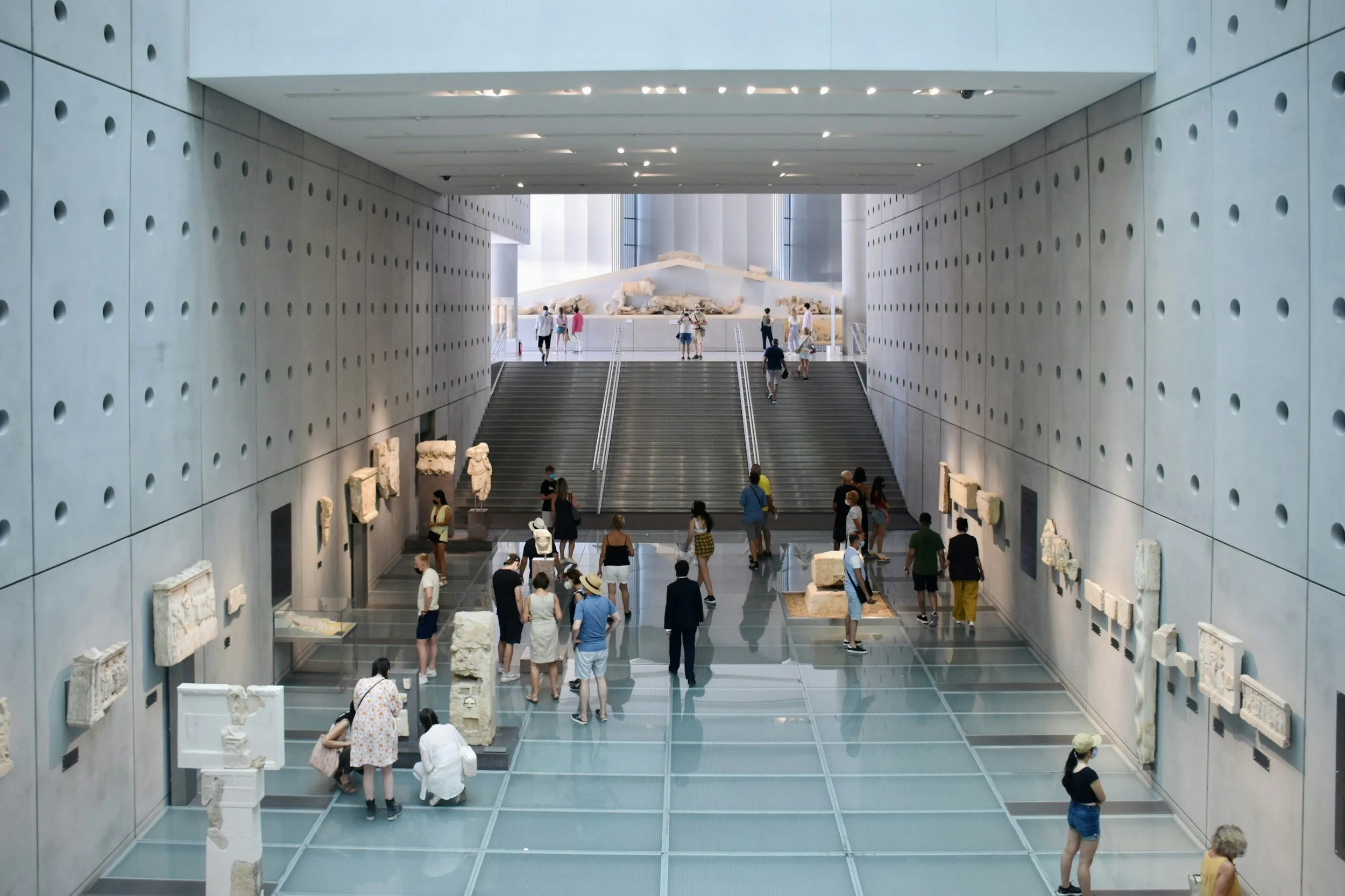
The Acropolis Museum is one of the best places to understand ancient Athens, with clear context around the Acropolis and its monuments. In Kolonaki, the Benaki Museum offers a broad overview of Greek culture, tracing its history from antiquity through to modern life.
For ancient history, the National Archaeological Museum holds one of the largest collections of Greek artefacts in the world. The National Gallery focuses on post-Byzantine and modern Greek art and is worth visiting if you’re interested in Greece beyond its classical past.
If you’re more interested in contemporary work, smaller galleries across neighbourhoods like Kifissia and Metaxourgeio give a good sense of Athens’s current creative scene.
Walking Tour
I usually recommend exploring a city at your own pace, spending time in different neighbourhoods, and getting a feel for how things actually work. That said, some places are so layered that a guided walk can add useful context, and walking tours are often the easiest way to do that.
In Athens, there are walking tours for most interests. A general walking tour works well if you want an overview of the city and its main sights, including areas like the Acropolis and Plaka.
Food tours are a practical way to visit local markets, try traditional dishes, and understand how Greek food fits into daily life. If history is your focus, ancient history and museum tours go deeper into the city’s past without trying to cover too much at once.
There are also neighbourhood-focused tours in areas such as Psyrri or Exarchia, which give more insight into how specific parts of the city function today. If you’re interested in modern culture, street art tours are a good way to understand Athens’ contemporary creative scene and the stories behind its murals.
Wander the Streets of Anafiotika
Wandering through Anafiotika is still one of my favourite things to do in the city, and it’s easily one of the best things to do in Athens if you want to see a different side of it. Tucked just below the Acropolis, this tiny neighbourhood feels worlds away from the busy streets nearby.
The whitewashed houses, narrow lanes, and quiet corners give it an almost island-like feel, inspired by Anafi, one of our favourite Greek islands. It’s one of the few places in Athens where you can walk slowly, take in the views across the city, and forget you’re in a capital at all.
Anafiotika is also one of the most local and authentic parts of central Athens. There’s very little signage, no shops or cafés, and no set route to follow, which makes walking around feel organic rather than curated. It’s one of the best ways to get a glimpse into Athens’ past and see how life here once looked, long before the city expanded into what it is today.
If you’re short on time but want something that feels genuinely different, this is a place I always recommend making room for.


Greek Wine Tasting at The Drunky Goat
If you’re curious about Greek wine but don’t know where to start, The Drunky Goat is an easy place to begin. Located in central Athens, this small wine bar focuses exclusively on Greek producers, with an emphasis on indigenous grape varieties you’re unlikely to come across outside the country.
You can order wines by the glass or opt for a guided tasting, which is ideal if you want context around the regions, grapes, and styles without committing to a full bottle. Tastings are relaxed and informative, making them accessible whether you’re new to Greek wine or already familiar with varieties like Assyrtiko, Xinomavro, or Agiorgitiko.
The setting is informal and low-key, more about learning and tasting than atmosphere or trend-driven menus. It’s a good option if you want a focused introduction to Greek wine in a central location, without the pressure of a long dinner or a formal tasting room.


Changing of the Guard at Syntagma
The Changing of the Guard at Syntagma Square is one of those things I still stop to watch whenever I catch it at the right time. It takes place every hour on the hour, right outside the Greek Parliament, and it never really loses its impact.
The ceremony is slow, precise, and fully choreographed, with movements that feel almost dance-like. It’s quiet, deliberate, and surprisingly moving, especially considering how busy the square usually is. Watching it feels less like a tourist attraction and more like witnessing a piece of living history unfold in real time.
The guards, known as the Evzones, wear traditional uniforms that are rich in symbolism. The pleated white skirt, or fustanella, is said to have 400 folds, representing the years of Ottoman rule. The leather shoes, called tsarouchia, feature large black pom-poms and are reinforced with metal soles, which create the distinctive sound during the march. Every detail of the uniform has meaning, and that attention to tradition is part of what makes the ceremony so compelling.
If you happen to be passing through Syntagma at the top of the hour, it’s well worth stopping for a few minutes to watch.

The Historic Triangle
The Historic Triangle is one of the most central and active parts of Athens, where everyday city life sits alongside layers of history. Set between Monastiraki, Syntagma, and the Acropolis, this area has long been tied to trade and commerce, and it still functions that way today.
Monastiraki is best known for its flea market, where you’ll find a mix of antiques, secondhand items, and locally made pieces. Streets like Ermou and Athinas cut through the area and are lined with everything from international brands to small, independent shops and specialist food stores.
There’s also no shortage of places to stop for a coffee, a quick lunch, or a late drink, which makes this part of the city feel constantly in motion. More than anything, the Historic Triangle shows how Athens balances the old with the practical, making it one of the most interesting areas to walk through if you want to understand how the city works today.

Athens From Above
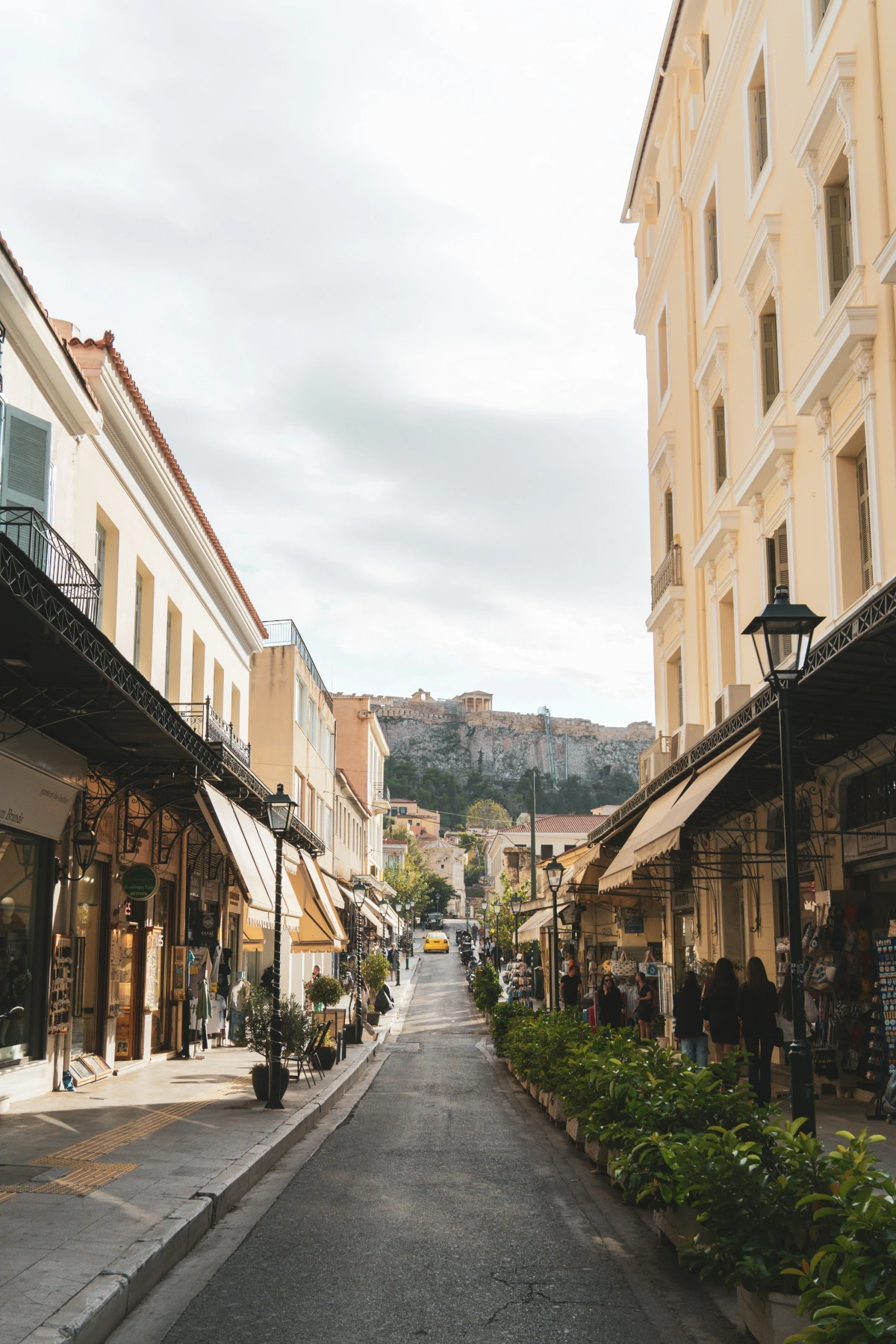
For some of the best views in Athens, it’s worth heading up to one of the city’s hills. Philopappou Hill is an easy walk and one of my favourite spots, especially around sunset. It’s quieter than other viewpoints and offers wide views across the city, with the Acropolis catching the light as the sun goes down.
If you want a higher, more expansive view, Mount Lycabettus delivers. You can walk up or take the cable car from Kolonaki, and from the top you’ll see the city laid out in full, from the Acropolis to the coastline and surrounding mountains.
Both are worth doing, but they feel very different. Philopappou is calmer and more local, while Lycabettus gives you the full, big-picture view of Athens from above.

Leave the City Centre
Head South to the Athenian Riviera
Athens’ southern suburbs are an easy way to slow things down and see a different side of the city. If you’re heading toward the coast, start with Lake Vouliagmeni, a natural thermal lake known for its warm, mineral-rich waters. The simplest route is to take the metro to Elliniko, then catch the 122 bus directly to the lake.
Afterwards, continue along the coast to Voula and stop for lunch by the sea. The tavernas around Kavouri Beach are well placed for a relaxed meal, with fresh seafood and open views across the water.
Spend an Afternoon in Kifissia
If you’d rather head north, Kifissia is a good option. It’s greener and quieter than central Athens, with tree-lined streets, independent shops, and plenty of places to sit down for a long lunch or coffee.
Explore Piraeus Beyond the Port
To the southwest, Piraeus feels more local than you might expect. Once known mainly as a transit point, it’s now home to small galleries and traditional restaurants. You can visit Rodeo Gallery for contemporary art or keep things simple with a classic Greek meal at Stoa Rakadiko.
Each of these areas offers a different way to experience Athens beyond the centre, without needing to travel far.

Athens is a city that rewards time and curiosity. Beyond its history, there’s a modern, lived-in side that becomes more obvious the longer you spend here. Whether you’re visiting for a weekend or staying longer, there’s always more to see, eat, and explore, which is part of what makes Athens such an easy city to return to.

Plan the Rest of Your Athens Trip!
How to Spend 3 Days in Athens: A Realistic Local Itinerary You’ll Actually Love
The Best Day Trips from Athens
A Local’s Guide: The Perfect Day on the Athenian Riviera
Takis Bakery – Athens Most Beloved Bakery
How to Choose Where to Stay in Athens
How to Get from Athens Airport to the City Centre
Pilino Yogurt: Authentic Yogurt in Athens with a Modern Twist
Acropolis or Acropolis Museum? Here’s What to See and How to Visit
The Best Souvlaki in Athens? Here’s Why Elvis Is Our Favourite
Athens in One Day: A Local’s 10-Stop Walk Through History and Modern Life
How Many Days in Athens is Enough? (Honest Guide for First-Timers)
Is Greece Expensive to Visit? A Realistic Cost Guide for 2026
Where to Eat in Athens in 2026: A Local’s One-Day Food Itinerary
7 Airbnbs Near the Acropolis Worth Booking
The Best Wine Bar in Athens, Greece: The Drunky Goat
Renting a Car in Greece: Everything You Need to Know (A Local’s Guide)
8 Best Hotels Near the Acropolis to Book in 2026 (All Budgets!)
6 Best Athenian Riviera Hotels to Book in 2026