The Perfect Oxford Trip from London: A Complete Day or Weekend Guide

This article includes affiliate links. If you choose to book through them, you’re directly supporting the free content we create, and we’re so grateful for your support.
Oxford is one of the most visited cities in England outside of London, and after spending a weekend here, I completely understand why. It’s far more than just a university town. Yes, the colleges are iconic, but what surprised us most was how vibrant and alive the city feels beyond the postcard views.
We came expecting history. What we didn’t expect was how effortlessly Oxford blends centuries-old architecture with a buzzing modern-day scene. One moment you’re standing in front of a medieval college that looks straight out of a film set, and the next you’re tucked into an independent café or browsing a bookshop filled with students and locals.
If you’re planning a city break from London or mapping out a wider England itinerary, Oxford is an easy and incredibly rewarding addition. It’s compact, walkable, and packed with things to do without ever feeling overwhelming.
In this guide, I’ll share exactly how to plan your visit – from how to get there, where to stay, and what to see, to whether Oxford is worth it for a day trip or deserves a full weekend.
This is our guide to where to sleep, eat, and what to do in Oxford, England.
A Brief History of Oxford
Oxford’s story stretches back over a thousand years. The city was first recorded in the 9th century as “Oxenaforda,” meaning a ford for oxen across the River Thames. By the Middle Ages, it had grown into an important market town thanks to its position along key trade routes.
The real turning point came in the late 12th century, when scholars began gathering here, eventually forming what would become the University of Oxford — now one of the oldest and most prestigious universities in the world. Over the centuries, the university expanded, shaping not just the skyline with its colleges and libraries, but also the city’s identity.
Oxford also played a major role during the English Civil War in the 17th century, serving as a Royalist stronghold and temporary capital for King Charles I. Many of the historic buildings you see today stood through that turbulent period.
There’s even a persistent wartime rumour that Hitler intended to use Oxford as his British headquarters if the UK had fallen during World War II — a theory some believe contributed to the city being largely spared from bombing. Whether fact or folklore, it adds another intriguing layer to Oxford’s past.
Today, Oxford feels like a living timeline. Medieval towers sit beside lively cafés, historic pubs host modern conversations, and centuries of scholarship continue alongside everyday city life.
How to Get to Oxford
Visiting Oxford from London
Oxford is one of the easiest and most rewarding day trips from London. At just over an hour away, it feels completely different from the capital – quieter, more historic, and incredibly walkable.
If you’re wondering how to get from London to Oxford, you’ve got three main options: train, bus, or car. All are straightforward, but which one you choose depends on whether you prioritise speed, flexibility, or building it into a wider England itinerary. I’ve done this journey myself, and here’s exactly what each option looks like.
London to Oxford by Train – Fastest and Most Direct
If you want the quickest and most efficient route, take the train. It’s reliable, comfortable, and drops you close to the city centre.
- Main route: London Paddington → Oxford (Great Western Railway)
- Journey time: ~1 hour
- Frequency: Every 10–30 minutes
- Arrival point: Oxford Station (about a 10-minute walk to the historic centre)
You can also travel from London Marylebone with Chiltern Railways. These services take slightly longer but can sometimes be cheaper or less crowded during peak times.
For most people doing a day trip, this is the option I’d recommend if you’re short on time. You can leave London mid-morning and be walking past Oxford’s colleges by late morning.
Oxford is also well connected to the rest of the UK by rail. There are direct trains from cities like Birmingham and Manchester, and simple connections via hubs such as Reading or Birmingham New Street if you’re travelling from further afield.
London to Oxford by Bus – Flexible and Often Cheaper
If flexibility matters more than speed, the bus is a very solid option. We took the Oxford Tube from London Victoria, and it was surprisingly easy. I’m used to having to wait for a coach with infrequent departures, so I was completely shocked and impressed that we barely had to wait at all, both when we left London and when we left Oxford.
- Operator: Stagecoach (Oxford Tube)
- Journey time: 1.5–2 hours (depending on traffic)
- Runs: 24/7
- Frequency: As often as every 10 minutes
- Tickets: No fixed departure time required
One of the biggest advantages is that you don’t need to reserve a specific train. You buy a ticket and board the next available bus. It also stops at multiple central London locations, which can be more convenient than travelling to Paddington or Marylebone.
If you’re travelling on a budget or like having complete flexibility with your return time, this is a great option.
Driving to Oxford – Best for a Wider England Itinerary
Driving only really makes sense if Oxford is part of a larger road trip. The city itself isn’t particularly car-friendly, and parking in the centre is limited and expensive. Many visitors use the Park and Ride system instead of driving directly in.
However, Oxford is well positioned for exploring other destinations nearby, including:
- The Cotswolds
- Stratford-upon-Avon
- Bath
- Cambridge
If you’re linking several of these together, having a car gives you far more freedom.
Looking to rent a car for your England trip? Over the past five years, we’ve booked with Discover Cars and love how easy it is to find the most affordable option, with the added flexibility to cancel if our plans change.
Quick Comparison – Which Should You Choose?
- Short on time? Train.
- Want flexibility or lower costs? Bus.
- Doing a multi-stop England trip? Car makes sense.
For most visitors coming from London, getting to Oxford is refreshingly simple. You can wake up, head out, and be exploring the historic centre within a couple of hours.

Getting Around Oxford
Recently named the UK’s most walkable city by Preply, Oxford is incredibly easy to explore on foot. Honestly, that’s part of its charm. Almost everywhere you turn, there’s something beautiful to look at, whether it’s historic colleges, classic Oxfordshire homes, or quiet river scenes.
The city’s top five attractions are only 1.1 miles apart, which means you can walk between them in around 20 to 25 minutes. Once you’re in the centre, you really don’t need transport at all.
If you’re staying outside the historic centre or simply prefer public transport, Oxford has a reliable bus network connecting the city centre with surrounding neighbourhoods and nearby areas.
On warmer days, renting a bicycle is also a great option. Cycling through Oxford feels very local, and it’s one of the best ways to move between colleges, parks, and riverside paths while taking everything in at your own pace.
During our visit, we walked the entire time and loved it, but next time, I wouldn’t be opposed to renting a bike!

How Long to Stay in Oxford
If you’re wondering how long to stay in Oxford, a weekend is ideal, with 2 to 3 days being the sweet spot for most travellers.
We originally debated doing Oxford as a day trip from London. It’s small, walkable, and close enough that it seems easy to squeeze into one day. But after visiting, I’m very glad we gave it more time.
Is One Day in Oxford Enough?
Technically, yes. You can see the main highlights in a single day if you plan well. The colleges are close together, the city centre is compact, and everything is easy to navigate on foot.
But it will feel rushed. There’s something about a place that feels so beautiful that the only real option is to sit back and take it in, rather than rush through it.
If a day trip is your only option, it’s absolutely doable. Just expect to prioritise the big sights rather than properly soaking up the atmosphere.

Why a Weekend in Oxford Is Better
Spending a full weekend in Oxford made a huge difference for us.
Although the city is small, there’s plenty to fill your time. Between exploring the colleges, visiting museums, enjoying the food scene, and simply wandering its historic streets, the days go quickly.
What we loved most was not having to rush. We could linger in a pub, sit along the river, or step into a bookshop without constantly checking the clock. By the end of our trip, we actually found ourselves wishing we had just one more night.
Where to Stay in Oxford
Oxford is compact, so where you stay isn’t about cutting down travel time as much as it is about choosing the atmosphere you want.
Do you prefer village charm and riverside walks, or being steps from the colleges and historic centre?
Here are two areas to consider.
Iffley – Peaceful and Picturesque
We stayed in Iffley during our time in Oxford, and it ended up being such a good choice.
This leafy suburb sits along the River Thames and feels almost like a countryside escape, even though it’s only about a 30-minute walk, 20-minute bus ride, or 10-minute taxi from the city centre. It’s quiet, scenic, and full of character, with stone cottages, riverside paths, and that classic Oxfordshire charm.
If you like the idea of coming back to somewhere calm after a busy day exploring the colleges, Iffley is ideal. It gives you a taste of the countryside while still keeping Oxford easily accessible.
There’s also a literary connection here. It’s said that the surrounding river landscapes helped inspire Lewis Carroll’s Alice’s Adventures in Wonderland, adding another layer of charm to the area.
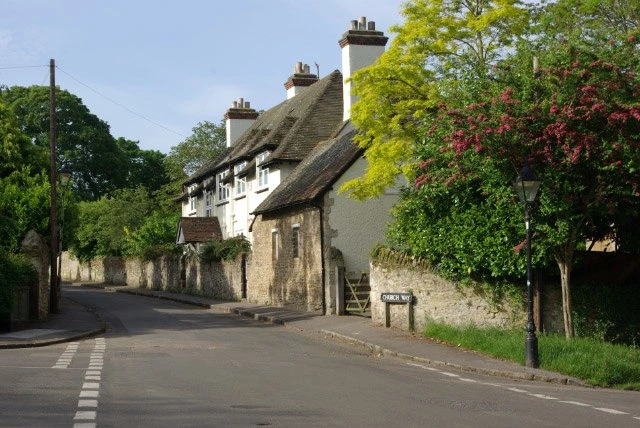
Mercure Oxford Hawkwell House
Church Way, Iffley Village, Oxford OX4 4DZ
We stayed at Mercure Oxford Hawkwell House, a quiet spot just outside Oxford.
The main building is the birthplace of Francis Howard Bickerton, a renowned explorer and polar medallist, adding a touch of history to the stay. The rooms are modern and comfortable, offering a great place to relax after a day of sightseeing.
Frank’s, the hotel’s restaurant, serves a modern take on classic British and European dishes. Whether it was breakfast or dinner, the food was tasty and well-prepared. Set in peaceful grounds, the hotel provides a calm environment while still being close to Oxford, making it an ideal base for your trip.
We enjoyed walking into Oxford along the river, passing through the village surroundings that offered a glimpse of the Oxfordshire countryside.
Mercute Hawkwell House Oxford is probably one of the best places to stay in Oxford if you want the best of both worlds, quintessential English countryside, as well as just a quick hop into the city.

Central Oxford – Stay in the Heart of It All
If you’d rather step straight out into the action, staying in central Oxford puts you right among the colleges, museums, and historic streets.
This is the best option if:
- You’re only staying one night
- You want to maximise sightseeing time
- You love being able to walk everywhere
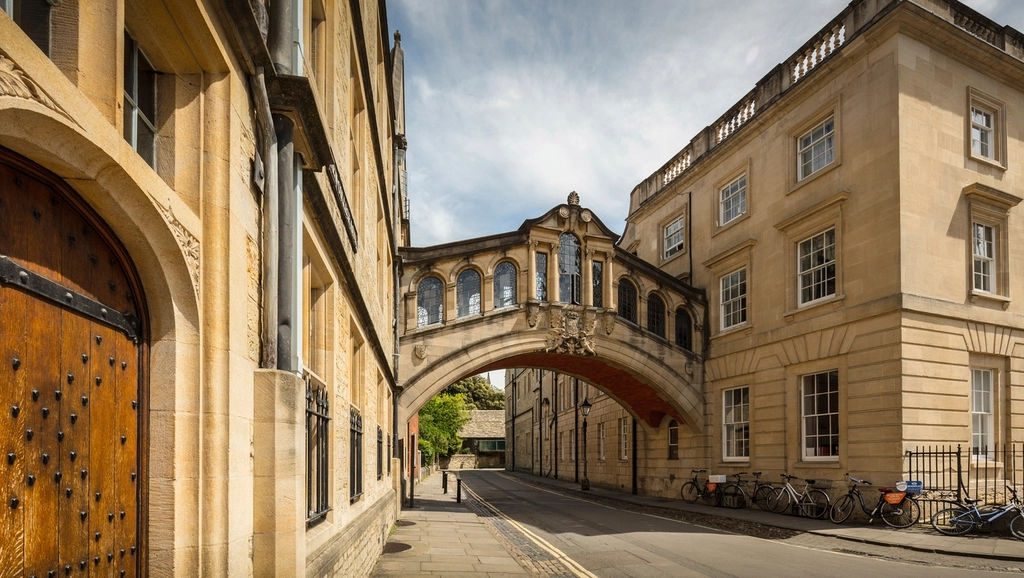
Accommodation ranges from traditional bed-and-breakfasts to modern boutique hotels. You can even stay in university rooms during certain times of the year for a more unique experience.
Being based in the centre means early morning walks before the day-trippers arrive and evening strolls once the crowds thin out, which can be quite special.
For more details on where to stay, visit Experience Oxfordshire to find the perfect place for your visit.
A Weekend in Oxford Itinerary

Day One
Morning
Start With a Walking Tour
One of my favourite ways to begin any trip is with a walking tour. It’s the quickest way to understand a city’s layout, learn the stories behind what you’re seeing, and get local context you’d miss on your own.
We joined the Oxford University & City Tour with Oxford Official Walking Tours, and it set the perfect tone for the weekend. Our guide shared small details we never would have picked up ourselves, along with practical tips that helped us navigate the rest of our stay.
If it’s your first time in Oxford, I highly recommend starting this way. They also offer themed tours, including:
- Oxford On Screen
- C.S. Lewis and J.R.R. Tolkien
- Oxford Ghost Tour
It’s an easy way to make the city feel less overwhelming from the start.

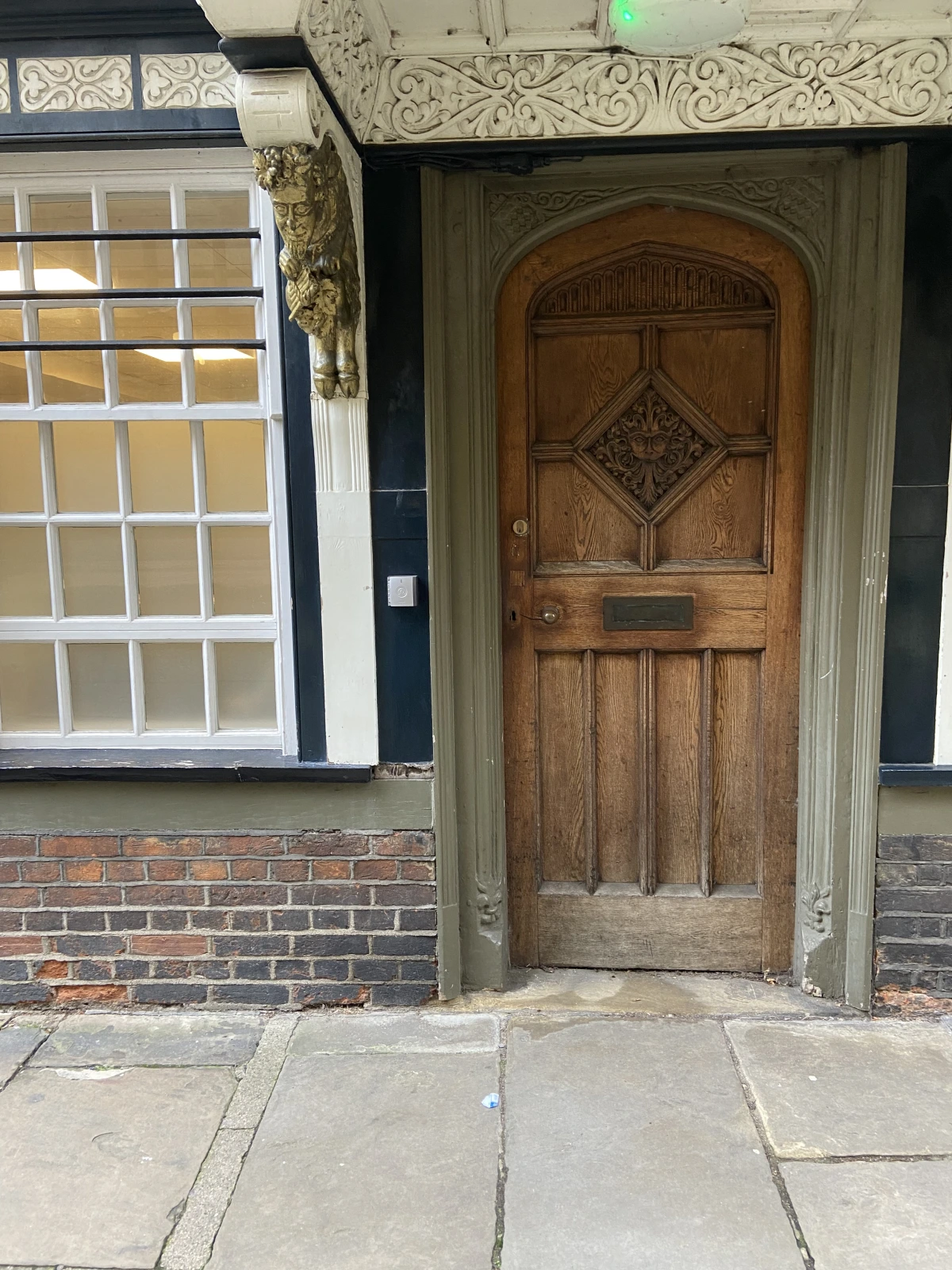
As a huge lover of literature, especially C.S. Lewis and The Chronicles of Narnia, standing in the place that helped inspire the world of Narnia felt completely unreal.
Coffee at The Independent Cafe
The Old Palace, 85-87 St Aldate’s
Oxford has no shortage of coffee spots, but we usually try to find somewhere independent when we travel. The Independent Café is just across from Christ Church, which makes it an easy stop between sightseeing.
Inside, it feels relaxed and welcoming without trying too hard. They focus on locally sourced ingredients, and we went for coffee and pastries before continuing our morning. It’s the kind of place where you can sit for a bit, look over your plans for the day, and reset before heading back out.

Blackwell’s Bookshop
48-51 Broad Street
You can’t miss Blackwells during a visit to Oxford.
Blackwell’s has been here since 1879, and it shows. It’s large, slightly maze-like, and easy to lose track of time inside.
The Norrington Room downstairs is the standout. It’s an enormous underground space lined with shelves in every direction. Even if you’re not planning to buy anything, it’s worth walking through.
If you like books, you’ll probably stay longer than you expect.


Afternoon
Explore a College
You can’t really come to Oxford and not step inside at least one college. The University of Oxford is made up of 39 colleges, and while they share certain traditions, each one has its own character, layout, and history.
If it’s your first visit, here are a few strong options:
Christ Church
One of the largest and most recognisable colleges. It’s often the busiest for that reason. The grand staircase was used in the Harry Potter films, and the dining hall is widely said to have inspired Hogwarts’ Great Hall, though it was not the actual filming location. The college also includes Christ Church Cathedral, which serves as both a college chapel and the cathedral for the Diocese of Oxford.

Magdalen College
Pronounced “Maudlin,” this college is known for its cloisters and Addison’s Walk, a riverside path that circles part of the grounds. It tends to feel a little calmer than Christ Church while still being architecturally impressive.
New College
Despite the name, it was founded in 1379. It’s known for its medieval city walls and gardens, which are some of the most striking in Oxford. Parts of it were also used as filming locations in the Harry Potter series.
Balliol College
Founded in 1263, Balliol is one of the oldest colleges. It’s smaller than Christ Church but has a strong academic reputation and a more intimate feel when visiting.
Visitor access varies throughout the year depending on the academic calendar, exams, and events. Entry fees also vary significantly by college and range from modest admission charges to higher fees at larger colleges like Christ Church. It’s always best to check the official college website before planning your visit.
You don’t need to try to see several in one afternoon. Choose one or two that match your interests, whether that’s architecture, gardens, or literary connections, and take your time exploring properly.
That’s when Oxford starts to feel less like a backdrop and more like a working university city.
Bodleian Library & Radcliffe Camera
The Bodleian Library has been in use since 1602 and remains part of university life today.
You can’t wander freely through the historic rooms, but guided tours are available if you want to go inside. They range from shorter introductions to longer, more detailed visits, and usually cost between £10 and £20.
The Radcliffe Camera stands just outside. You’ll likely see it within your first hour in the city. Walk around it slowly rather than just taking a photo and moving on. It’s different depending on the light and time of day.


Covered Market
Market Street
Oxford’s Covered Market has been operating since 1774, and it’s still home to more than 60 independent traders. It was originally built to move street vendors into a more organised central space, and over the centuries, it has remained part of everyday life in the city. The market was granted Grade II listed status in 2000, recognising its architectural and historical importance.
Today, some of the stalls are still family-run, passed down through generations. You’ll find bakeries, sandwich shops, florists, butchers, cafés, and small speciality stores all under one roof. It’s not a polished shopping centre. It feels lived-in and local.
It’s also compact, which makes it easy to wander without committing too much time. Stop for a quick lunch, pick up something sweet, or just walk through to see a side of Oxford that isn’t tied to the university.

Evening
Dinner at KIBOU
11-12 Little Clarendon St
Looking for something a bit different to eat in Oxford? We always love to try Asian food in different cities, and in Oxford, we came across KIBOU!
In the heart of Oxford’s vibrant Jericho neighborhood, KIBOU is the perfect spot for a modern Japanese dinner. This stylish restaurant blends tradition with creativity, serving everything from comforting katsu curry to playful gyoza sushi tacos and delicate Wagyu A5 tataki.
The drink menu was just as exciting. I went with the YUYAKE, a fruity mix of yuzu and passionfruit that perfectly complements the bold flavours on the menu.
Whether you’re settling in for a leisurely evening or stopping by for a few plates and a sake, KIBOU is a great way to experience the international side of Oxford’s dining scene.


Day Two
Morning
Botanical Gardens/Christ Church Meadows
A peaceful escape from the city’s buzz, the Oxford Botanic Garden and nearby Christ Church Meadow offer a perfect spot to slow down and soak in the scenery.
The Botanic Garden, the oldest in the UK, is a lush oasis filled with rare plants, medicinal herbs, and glasshouses brimming with tropical greenery.
Just a short walk away, Christ Church Meadow stretches along the River Thames, where you can watch rowers glide past and even spot the resident longhorn cattle. It’s an ideal place for a relaxed morning stroll before diving back into Oxford’s historic streets.
Pub Lunch
There’s nothing more quintessentially English than a Sunday pub lunch, or whatever day your itinerary calls for a leisurely feast.
It’s one of my favourite things about England, something I’ve loved since I was a kid. While dishes evolve with the times, you’ll always find the classics, perfectly crisp roast potatoes, rich gravy, and seasonal vegetables, served alongside modern twists.
The pub atmosphere, too, adapts just enough to stay current while holding onto that familiar warmth. Whether you’re enjoying a succulent roast by a roaring fire or in a sunlit beer garden, it’s a tradition that never gets old.

Where to Eat a Sunday Roast in Oxford
The Chester Arms
19 Chester St, Oxford, OX4 1SN
Tucked between Iffley Road and the greenery of Aston’s Eyot, The Chester Arms sits just outside Oxford’s city centre.
A classic pub with a touch of industrial charm, it’s known for its locally sourced dishes, from roast beef and chicken to pork belly and a hearty vegetarian option. They don’t take reservations, so be sure to arrive early to snag a table.
The Perch
Binsey Ln, Binsey, Oxford OX2 0NG
If you have a car or don’t mind a scenic walk, The Perch sits along the River Thames and Binsey Green, tucked inside a thatched 17th-century country inn about 40 minutes from Oxford’s city centre.
The Sunday menu is a mix of seafood specials and classic roasts, featuring dishes like steamed Cornish mussels, roast leg of Oxfordshire lamb, and 28-day dry-aged, grass-fed British rump of beef.
Afternoon
Museums
I love that most public and national museums in the UK are free, giving both visitors and locals the chance to dive into a place’s history and culture without spending a fortune. Oxford is no exception.
In a city built on intellect, curiosity, and centuries of discovery, its museums offer the perfect excuse to wander, linger, and soak up the spirit of the place, without spending a penny.
No bookings or tickets are needed, just show up and explore to your heart’s content.
Ashmolean Museum
The world’s first university museum and Britain’s first public museum, the Ashmolean offers an impressive range of art and artefacts, from Ancient Egypt to contemporary works.
We were particularly impressed by the iconic Alfred Jewel and a collection of Pre-Raphaelite paintings. The museum is also home to a café with an impressive view, perfect for a quiet break after exploring its extensive galleries.
The Ashmolean really is a mix of everything, so if you only have time to visit one museum while in Oxford, I suggest dedicating your time to the Ashmolean.

Museum of Natural History
The moment we stepped into the Museum of Natural History, we were in awe. Located in a striking neo-Gothic building, this museum showcases everything from dinosaur skeletons to rare fossils.
The museum’s soaring glass ceiling and historic ironwork add to its charm, making it as much a visual treat as a scientific one.

Pitts Museum
Tucked behind the Museum of Natural History, the Pitt Rivers Museum is a captivating repository of global artefacts, presented in its signature traditional wooden cases.
Featuring a wide array of objects, from shrunken heads to intricate textiles, the museum offers an unparalleled anthropological journey, shedding light on the rich and diverse tapestry of human culture and history.
History of Science Museum
As big science nerds, we were absolutely amazed by the History of Science Museum. One of the highlights for me was the exhibit on early medicine and vaccinations.
It was absolutely captivating, featuring original artifacts and informative displays that really brought the history to life.
The museum, though compact, is packed with an incredible collection of scientific instruments, including early telescopes, astrolabes, and even a blackboard used by Albert Einstein.
Located in the world’s oldest surviving purpose built museum, it may be small, but it’s a must-visit while in Oxford.
Evening
Evensong
I’ve always wanted to experience the tradition of Evensong, and Oxford felt like the perfect place to finally do so. It offered the added bonus of exploring the colleges without the usual admission fees charged during the day.
For centuries, the church has marked the transition from day to night with psalms, prayers, and hymns, creating a deeply reflective atmosphere. We went to Evensong at Merton College, where there was something so peaceful and meditative about sitting by candlelight in a 13th-century chapel, listening to the choir as day faded into night.
This Anglican tradition felt like a quiet, grounding moment in the middle of the busy city.
If you’re interested in finding Evensong services across the UK, check out the full schedule here.
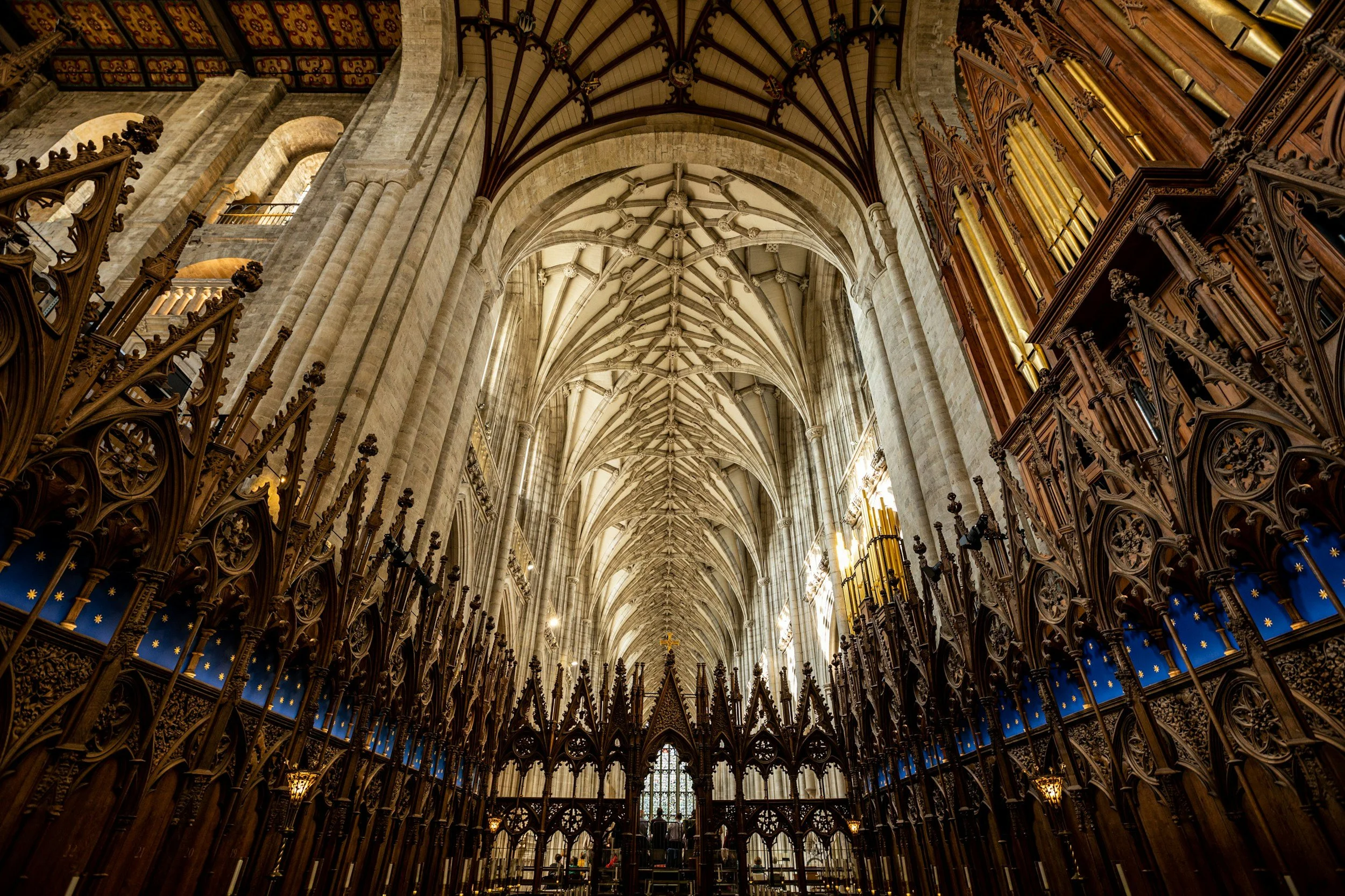
Oxford truly offers the best of both worlds, with the perfect blend of old-world charm and modern energy, from its rich academic heritage to a vibrant contemporary scene filled with exciting restaurants and abundant green spaces.
It’s a city where history and innovation come together seamlessly. Whether you’re visiting for a weekend in Oxford from London or a longer stop in an extended England trip, you’re bound to be enchanted.
For further travel information on what to do, where to stay, shop, and eat in Oxford and beyond, visit experienceoxfordshire.org

Want more England guides? Explore the rest here! 🇬🇧☕️🏰
How to Visit the Lake District from Manchester
By the Shores of Lake Windermere: A Retreat at Storrs Hall
How to Spend 2 Days in Manchester (What to Do, See, & Eat)
Where to Stay in Manchester in 2025 | Best Neighbourhoods and Hotels
Things to Do in Manchester (That Aren’t Football Related)